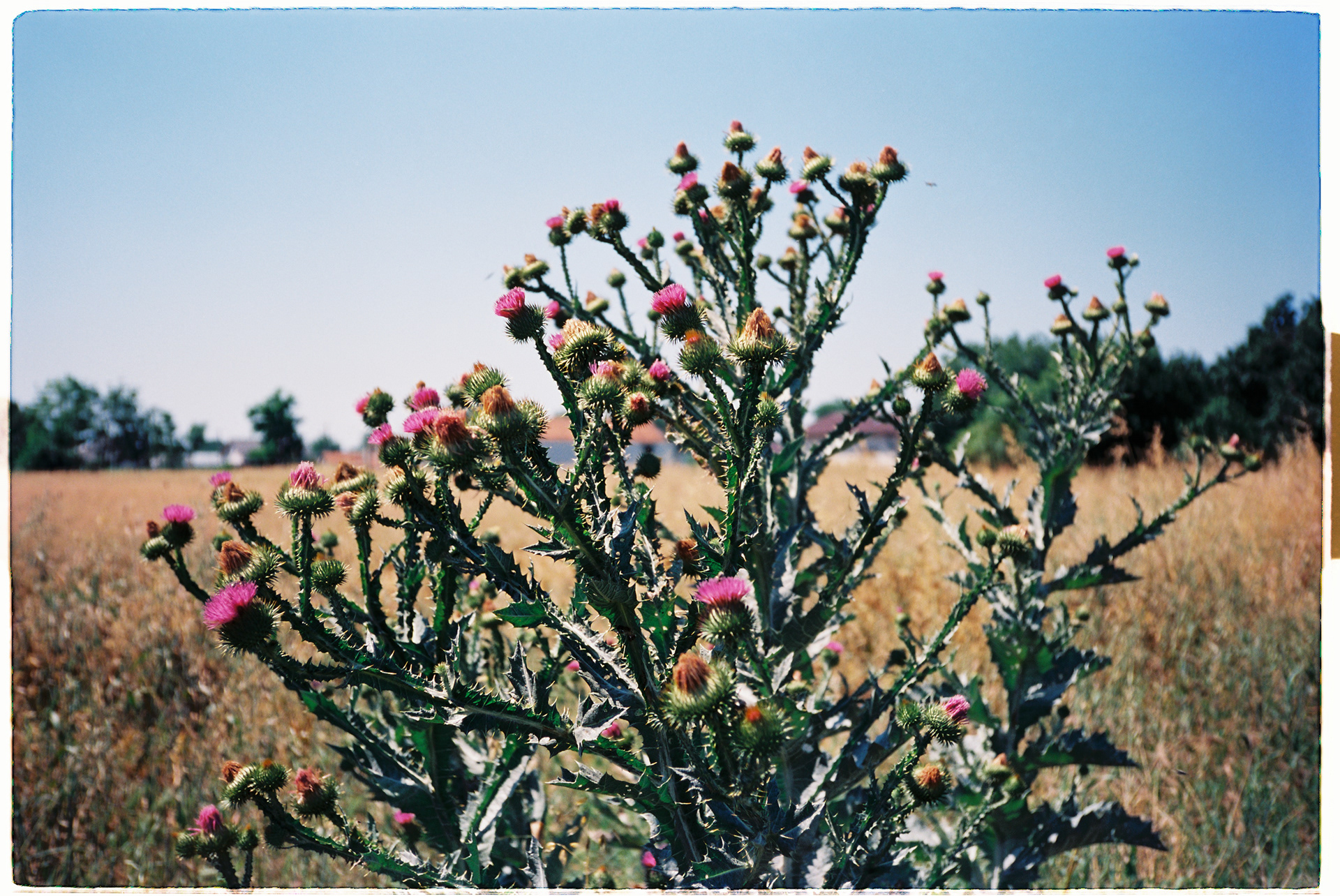
The first time I heard anything about Deveselu was around 2011–2012. I was a teenager living in my hometown. There were rumors that a missile defense shield was going to be built in Deveselu, a rumor that worried us, the people of Slatina, as well. At the time, we didn't know how such a shield worked or whether we would be safe. We consoled ourselves with the idea that it wasn't really that close to us (about 50 km away).
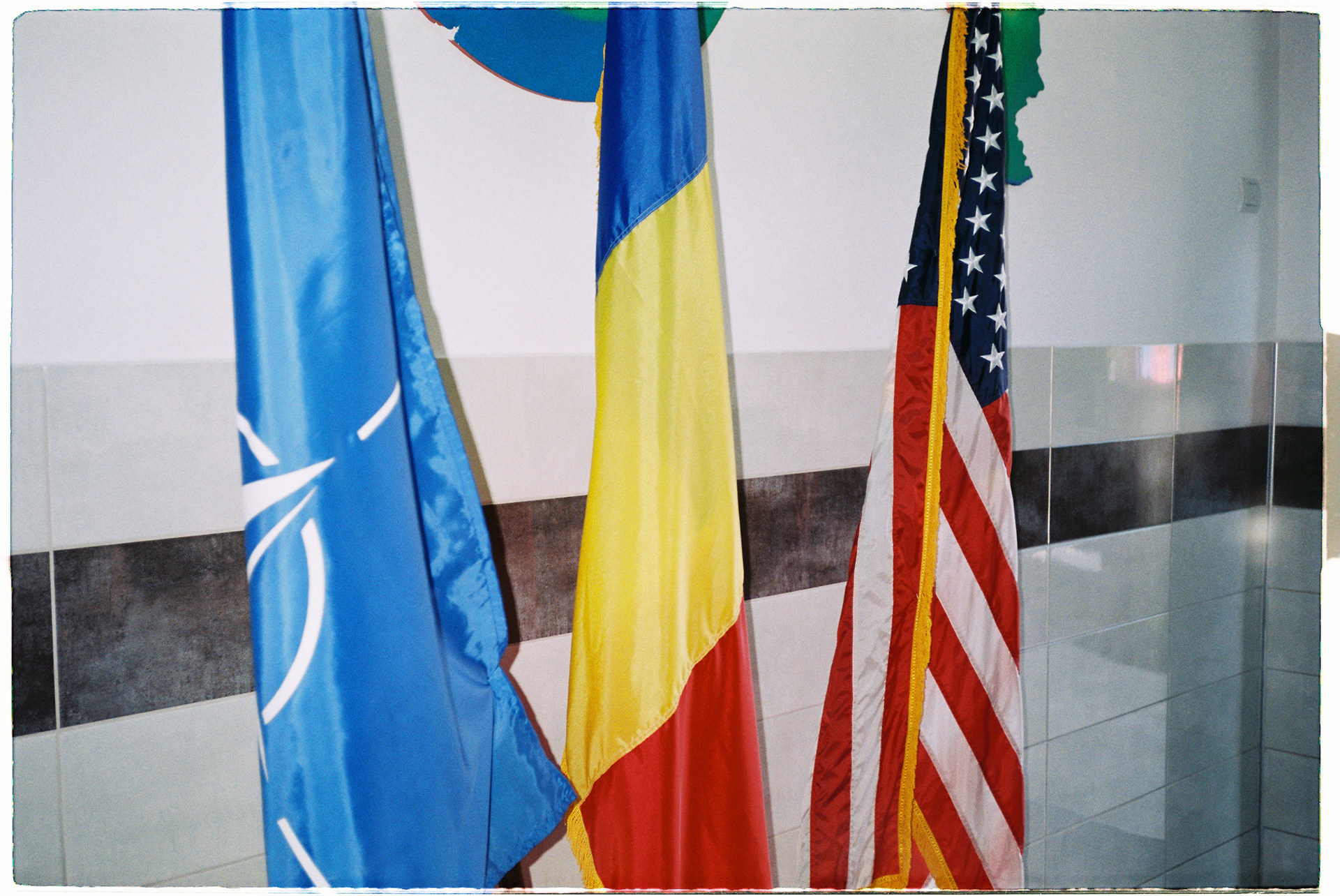
In 2020, I visited Deveselu for the first time, thanks to a grant from the Center for Documentary Photography. I came to photograph a place defined by geopolitics, but I found myself observing the life unfolding beyond it. The village had its own rhythm, and the military base seemed, for the most part, to be just a backdrop. I expected to be greeted by the American spirit from the very first step, but things weren't quite as I had imagined. I discovered that the locals didn't interact much with the American soldiers, especially during the pandemic.
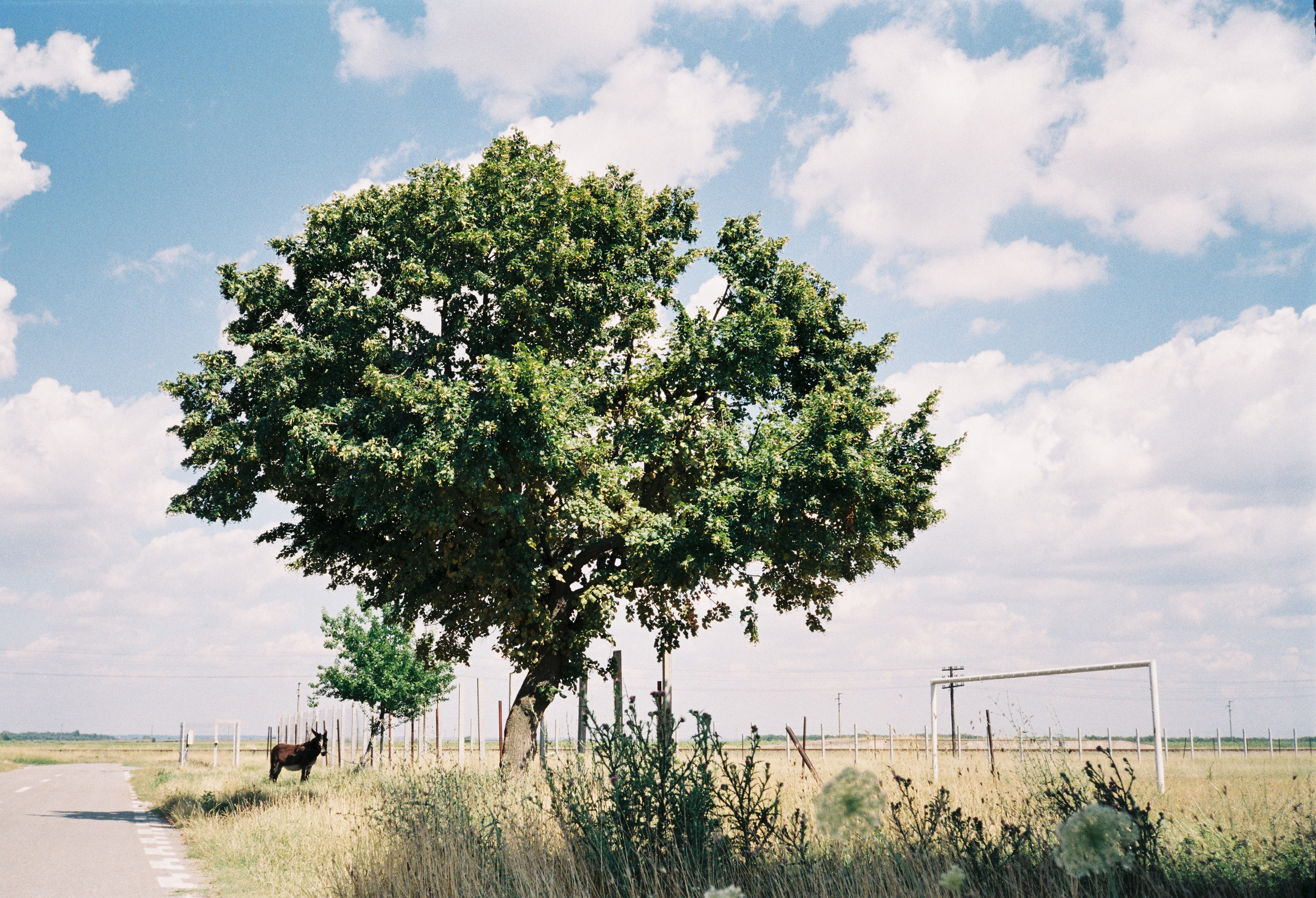
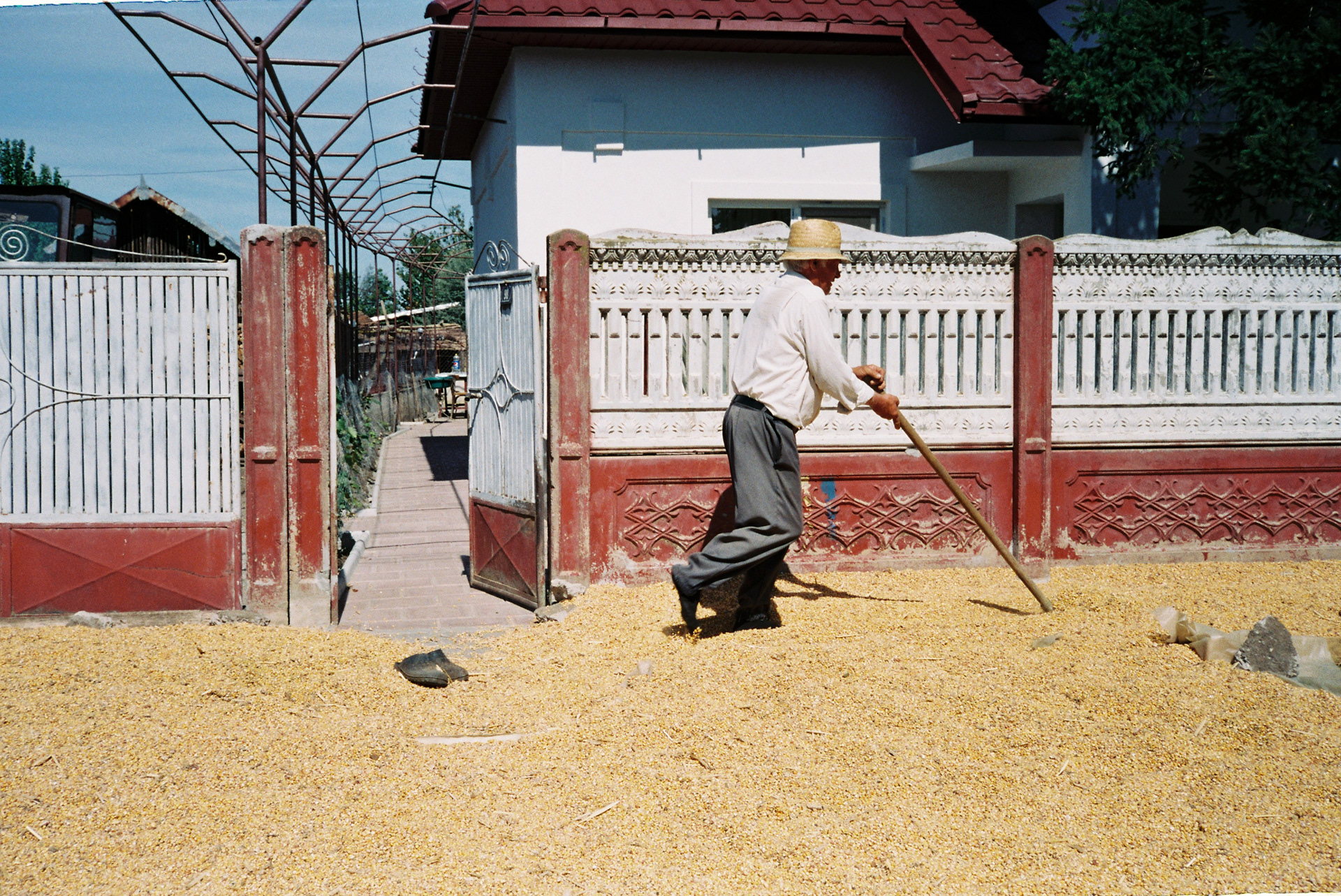
I was surprised to discover a village with an atmosphere of “never-ending summer,” full of welcoming and talkative people. Many of them found jobs at the military base; others found their soulmates, and the village school was modernized with the support of the US Embassy. Even so, I sensed a certain degree of caution whenever I brought up the American neighbors.
Talking with the locals, I learned that this wasn't Deveselu's first encounter with a major military power. In the 1950s, one of Romania's largest military aviation units was stationed there. Soviet instructors, Soviet aircraft, Soviet technology, and Romanian pilots—all with the goal of defending the USSR against potential attacks by the US and NATO.
Most of the locals asked me, in a friendly way, not to make them look bad in Bucharest.
“[…] The press came to ask us this and that, and then we found out they had written about us: 'The Americans came to Deveselu, but the locals still have outhouses in their backyards.'”
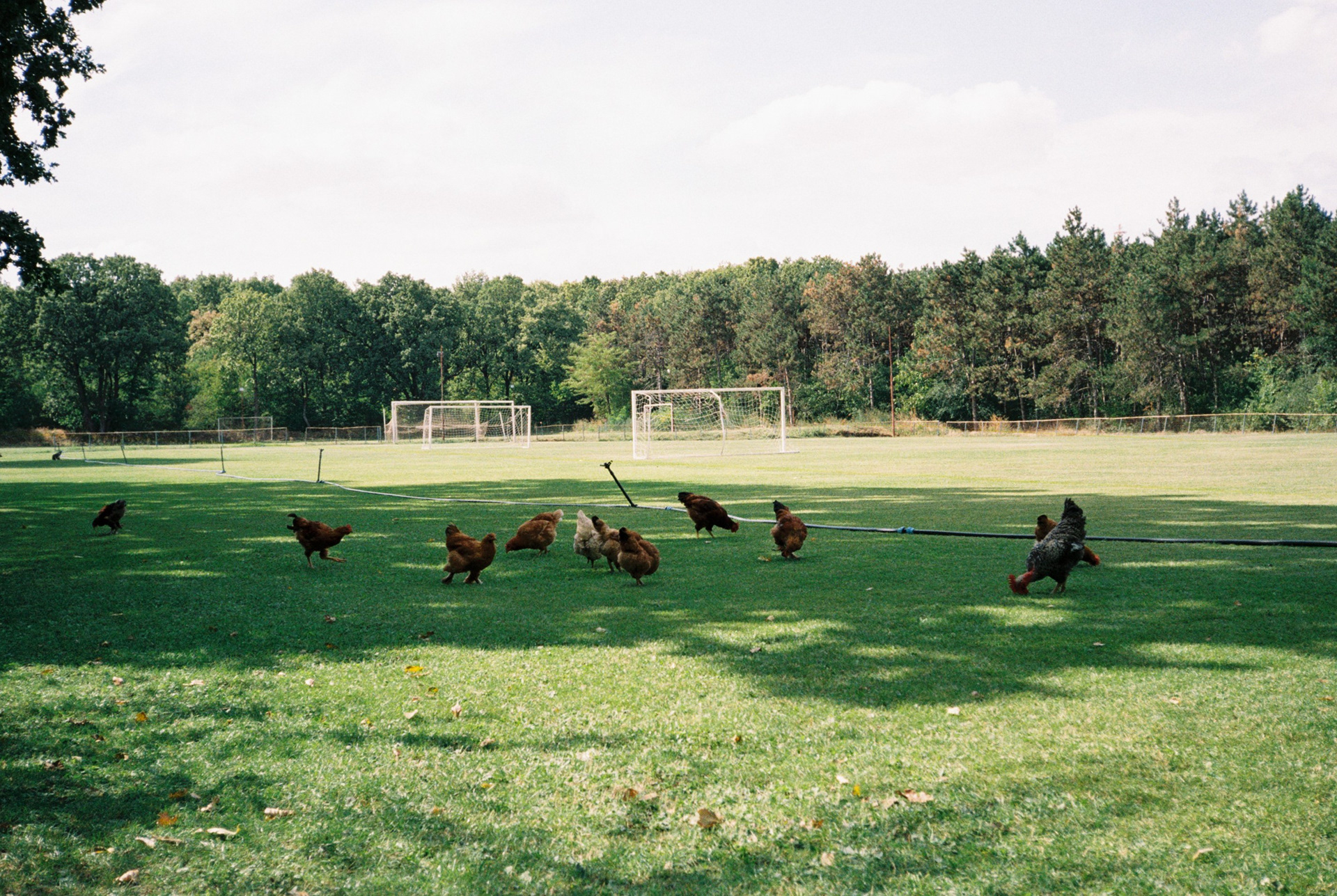
I came to photograph a place defined by geopolitics, but I found myself observing the life unfolding beyond it. Through my photography, I chose to remain merely an observer. The project (2020–2021) does not seek answers about military strategy, but rather about the people who go about their daily lives in a place where history periodically resurfaces in different forms, without ever asking for their opinion.