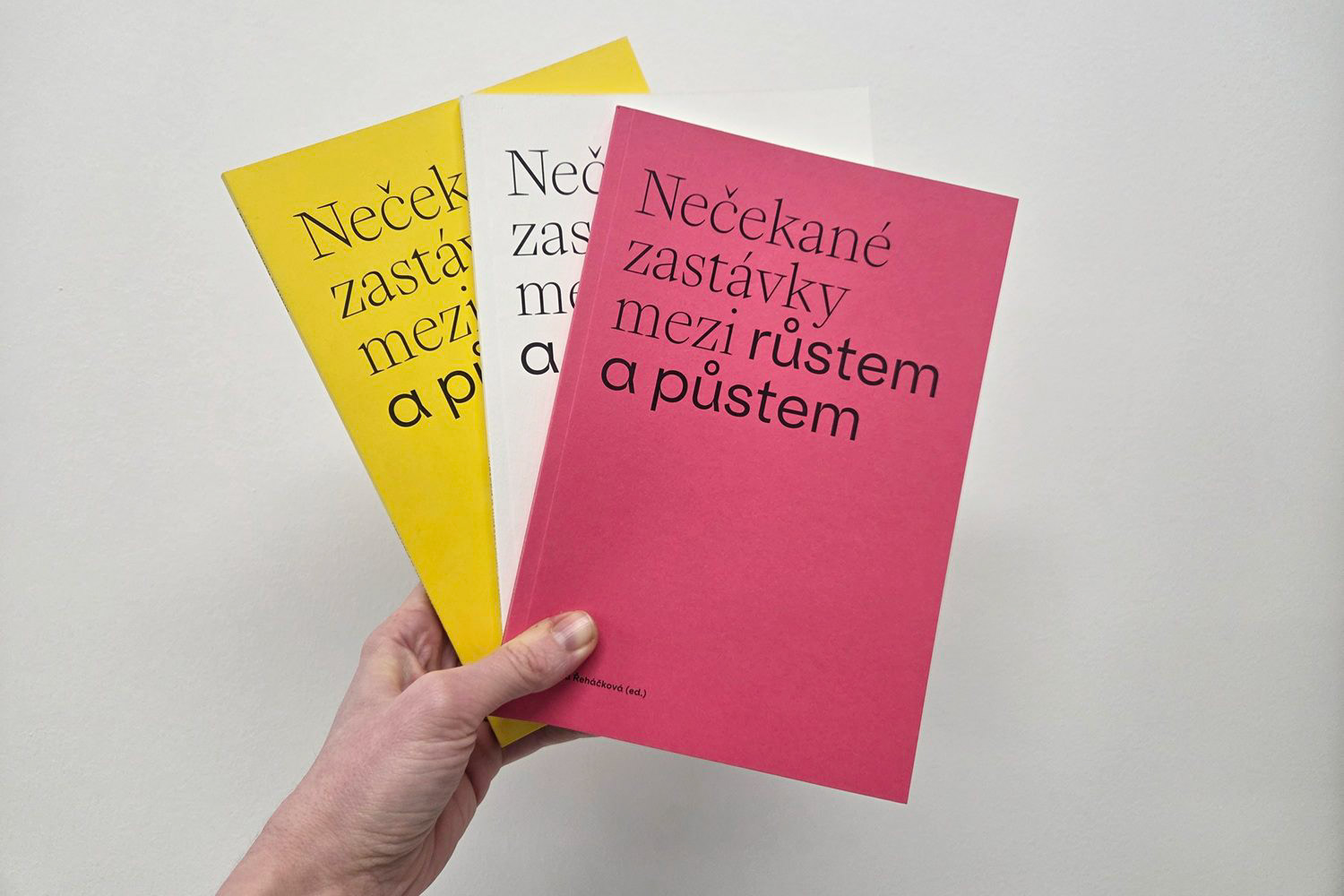
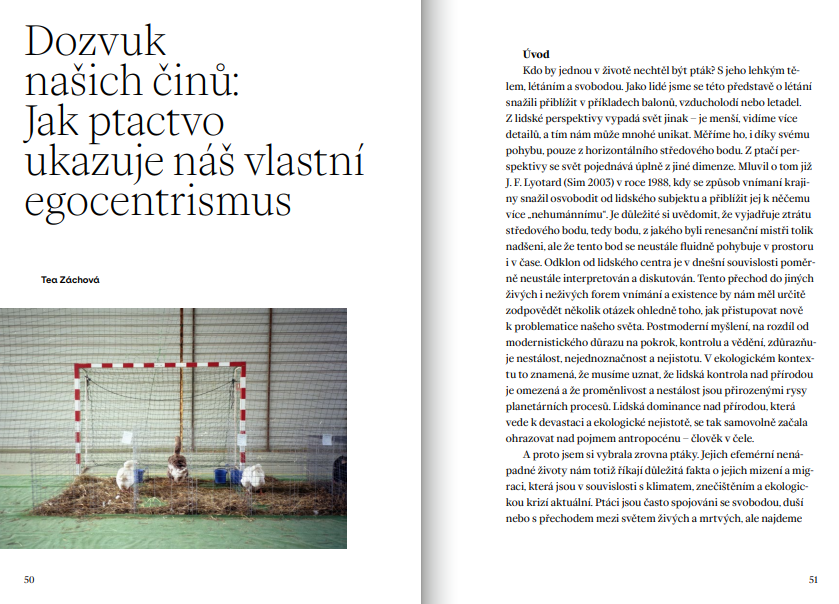
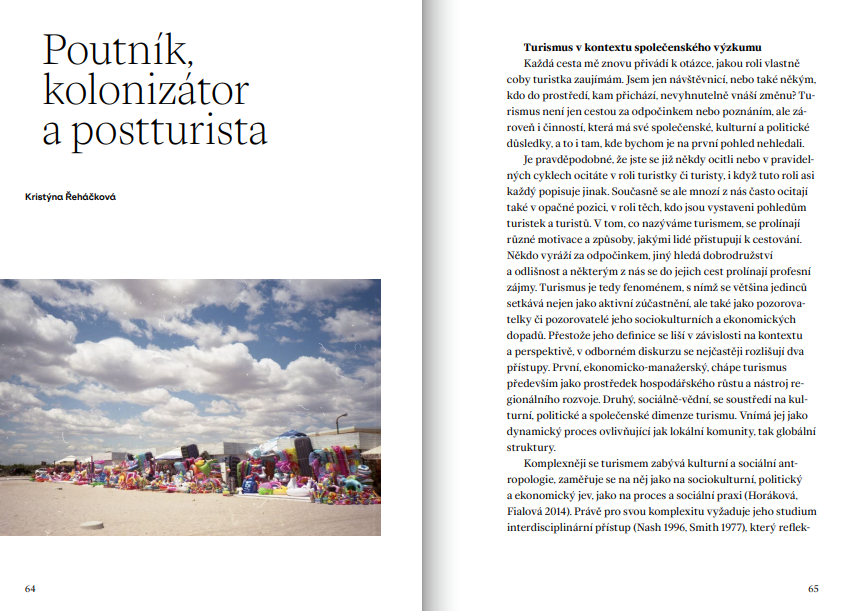
NEČEKANÉ ZASTÁVKY MEZI RŮSTEM A PŮSTEM
A collection of texts titled Nečekané zastávky mezi růstema půstem was created in response to the year-long program of Pragovka Gallery in 2024, whose main theme was Growth and Degrowth. The aim of this publication is to expand the understanding of the theme of growth and degrowth through a multidisciplinary perspective. It offers additional viewpoints, builds on topics explored within the exhibition and residency program, and at the same time opens up further possibilities for their interpretation. The texts included can be understood as unexpected stops between growth and fasting, as well as signposts leading toward a deeper exploration of this theme".
Contributing authors: Martin Soukup, Šárka Zahálková, Roger Sansi, Sabrina Rosina, Demi Spriggs, Tea Kříž (Záchová), and Kristýna Dub Řeháčková
Photography: Diana Păun
Editor: Kristýna Dub Řeháčková
Year of publication: 2025
Editor: Kristýna Dub Řeháčková
Year of publication: 2025
Photo and screenshot from the Pragovka Gallery website.
Read full text → here
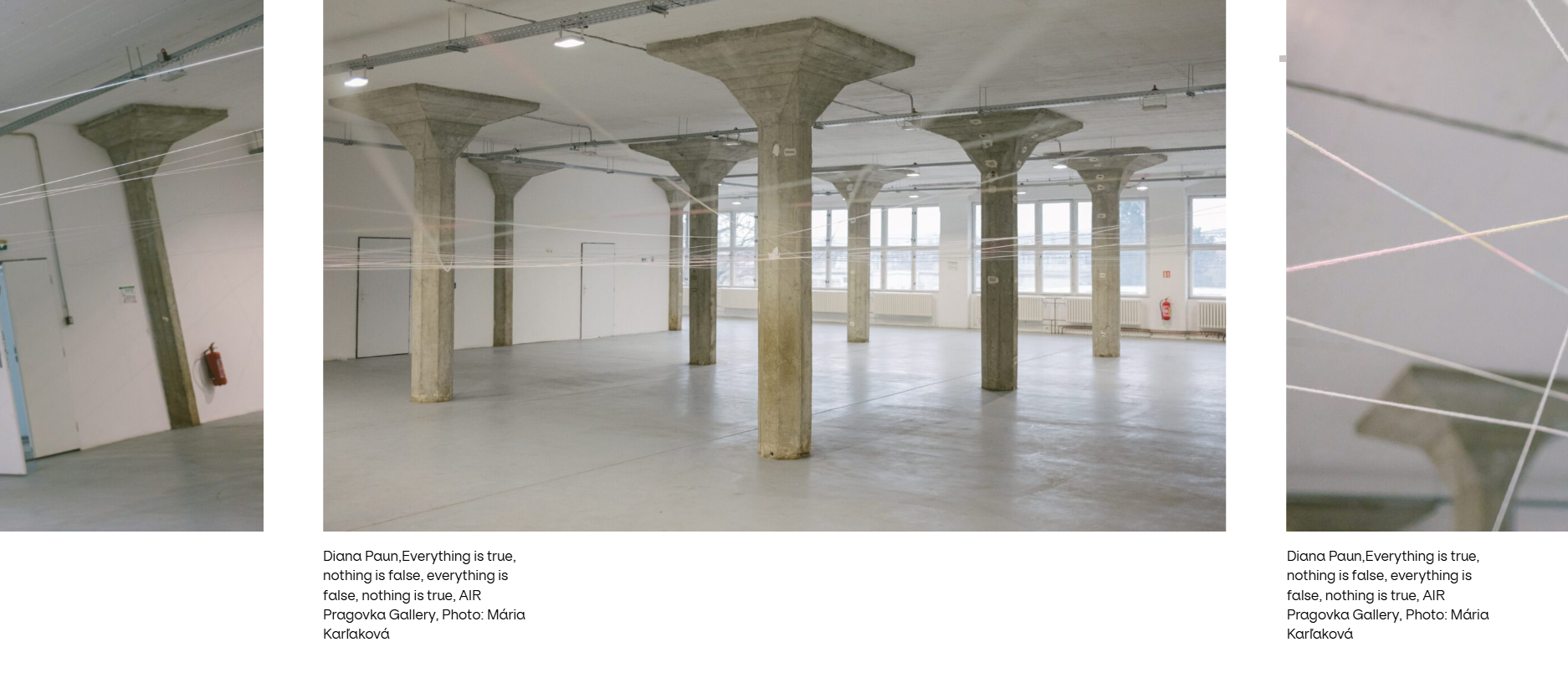
[...]Diana compares our current life overwhelmed by information that no longer affects only our physical surroundings, but also the algorithms of social networks to Plato’s allegory of the cave. We should not blindly accept information, but subject it to a critical examination / test of reason. Although it seems simple at first glance, most of us do not have the time, will, or reason to verify all the information that comes to us. Moreover, disinformation often exploits our emotional vulnerability such as fear or panic which makes it easier to accept.
Diana’s research takes the form of interviews with a wide range of people: from media experts, doctors, and sociologists to so-called vulnerable groups such as pensioners and teenagers. During these meetings, she collects examples of disinformation, fake news, forms of propaganda, and conspiracy theories specific to a given environment, region, or country. However, Diana does not disseminate these collected narratives. Instead, she processes them in two different ways.
The first of these is photography through it, she captures the aesthetics associated with disinformation narratives, but without transmitting them directly to the viewer. For Diana, photography symbolizes an analogy to disinformation: she works with it, “cleansing! it and searching for its essence or truth. The second way involves music. In collaboration with the Taiwanese musician Shih-Che Lee, who lives in Berlin, she translates disinformation into the form of atonal music. The result is an artistic performance that forms a part of the outcome of her residency at Pragovka Gallery.[...]
Diana’s research takes the form of interviews with a wide range of people: from media experts, doctors, and sociologists to so-called vulnerable groups such as pensioners and teenagers. During these meetings, she collects examples of disinformation, fake news, forms of propaganda, and conspiracy theories specific to a given environment, region, or country. However, Diana does not disseminate these collected narratives. Instead, she processes them in two different ways.
The first of these is photography through it, she captures the aesthetics associated with disinformation narratives, but without transmitting them directly to the viewer. For Diana, photography symbolizes an analogy to disinformation: she works with it, “cleansing! it and searching for its essence or truth. The second way involves music. In collaboration with the Taiwanese musician Shih-Che Lee, who lives in Berlin, she translates disinformation into the form of atonal music. The result is an artistic performance that forms a part of the outcome of her residency at Pragovka Gallery.[...]
Curator and author of the text: Kristýna Řeháčková
Read full text → here
Read full text → here
Photo and screenshot from the Pragovka Gallery website.
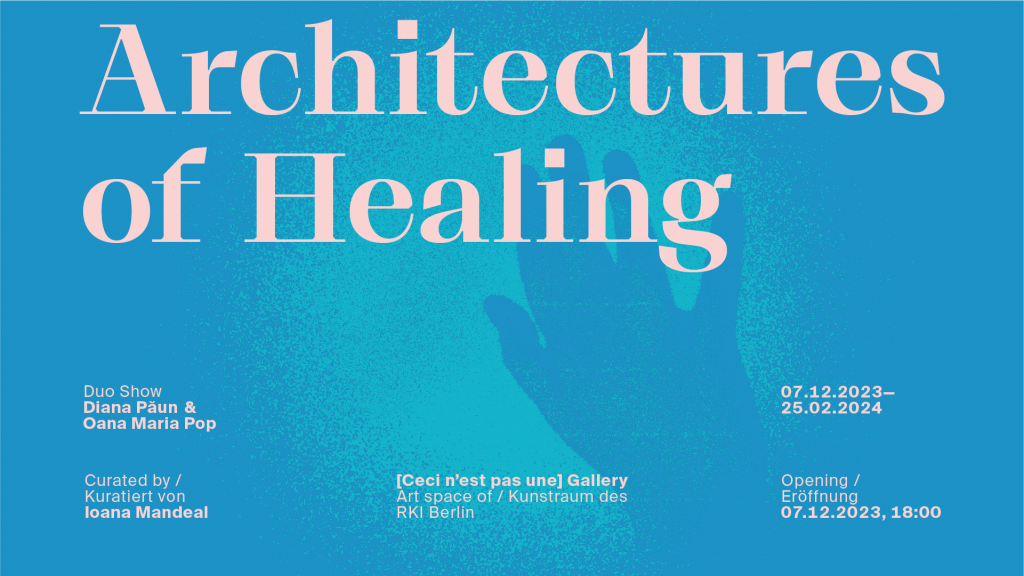
[...]By forging new bridges to local organizations and diverse underrepresented perspectives, the artists address the dark side of language: the side responsible for disillusionment, reification, the erosion of self-esteem, and fear. Their response to these insights is a new “ philosophy of care .” At its core are not only artworks, but also emancipatory strategies for what we might call the creation and recognition of subjectivities. Highlighting marginalized positions overlooked in mainstream media discourse and fostering greater awareness of the voices of the communities identified by the artists become crucial aspects of the project.
At the same time, the artists reconsider their own voices as political instruments and extensions of their own bodies. In her search for the path to enlightenment, Diana Păun subjects her photographic images to a ritual of physical cleansing, reminiscent of the ancient belief in the restorative power of a healer's touch. Oana Maria Pop 's intermedia installation exposes and questions the impact of media biases in the common rhetoric used to portray violence against women. In doing so, she creates a public platform for all those whose voices have been suppressed, insufficiently heard, or unrecognized.
“Architectures of Healing” is more than a critical narrative about the blind spots in human communication; it is an act of resistance and a framework for practicing care—both in thought and action. The application of art as a transformative tool and a potential form of “healing” goes hand in hand in the exhibition’s architecture with its ability to create new social spaces guided by solidarity, empathy, and mutual understanding.[...]
Curator and author of the text: Ioana Mandeal
Read full text → here
Read full text → here
Graphic design by Serioja Bocsok
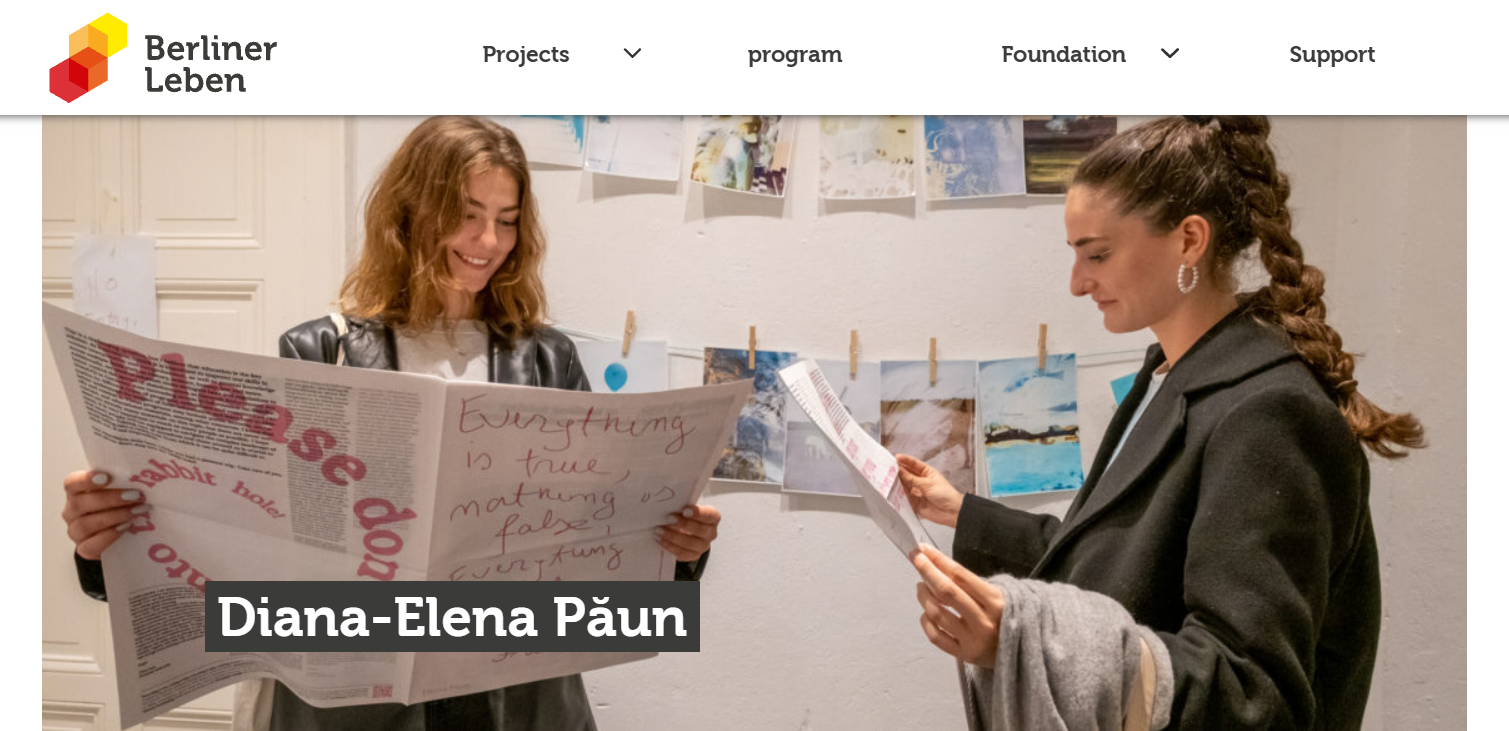
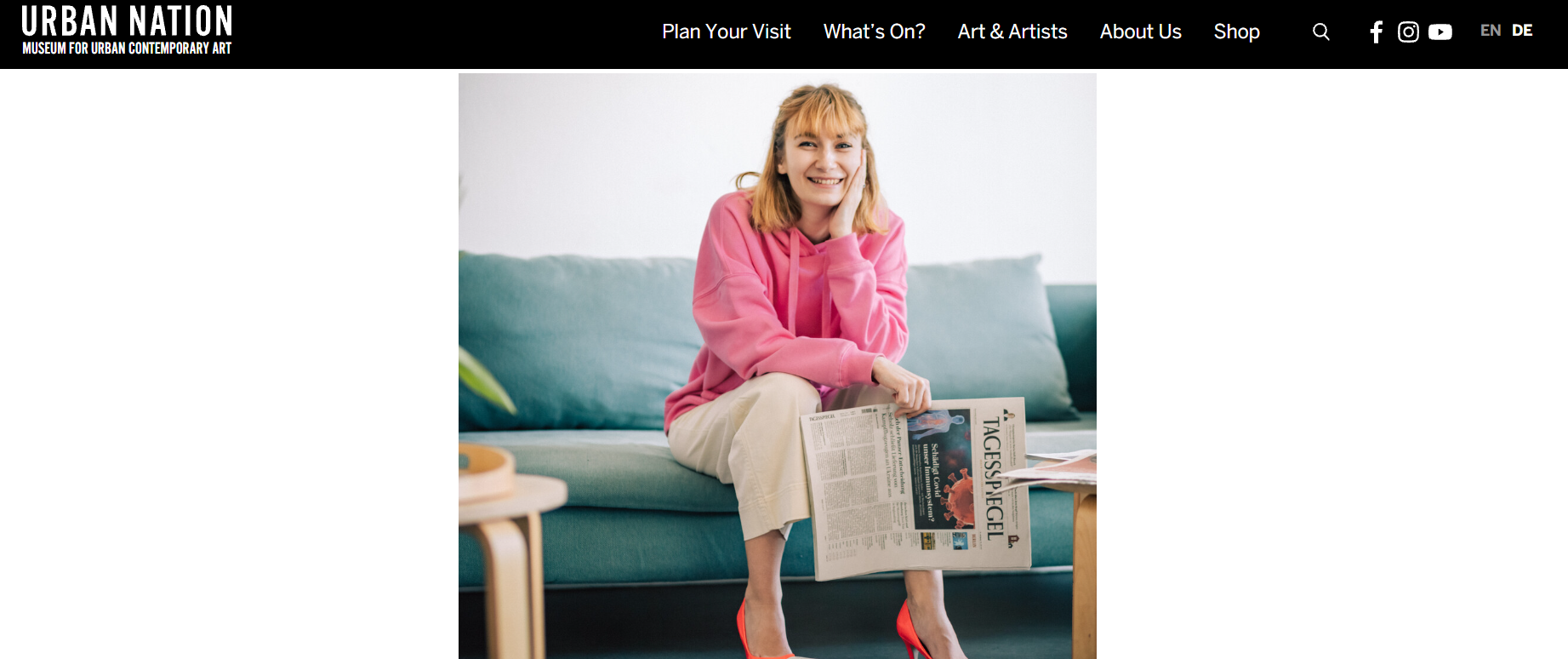
What do fake news, propaganda, and conspiracy theories do to us, to our social interactions, and how can we counter them? In her four-part work, photographic artist Diana Păun explores phenomena of our post-truth era and seeks ways to deal with the complex situation she analyzes. Her starting point is the observation that in the information age, we have access to more information than ever before, while simultaneously having to contend with a vast amount of misinformation. The artist analyzes information, information flows, and media in Romania and Germany. [...]
[...]In her large-format printed photographs, Păun presents motifs she captured in Romania and Germany, such as a grazing white horse in front of an abandoned building at sunset or a llama in front of a windmill. The casualness of the motifs and the clear composition create a highly focused effect. Part of her artistic process involves "wiping" the images with a chlorine-based cleaning agent. This makes the colors appear very muted, almost pastel, and the depicted scenes seem detached. The method of image creation presented here can also be understood as a suggestion for dealing with fake news and conspiracy theories. In her journal, Păun encourages reflection on the question "What is the truth?" The artist invites readers on an expedition to develop criteria for what can be taken seriously and how seriously. [...]
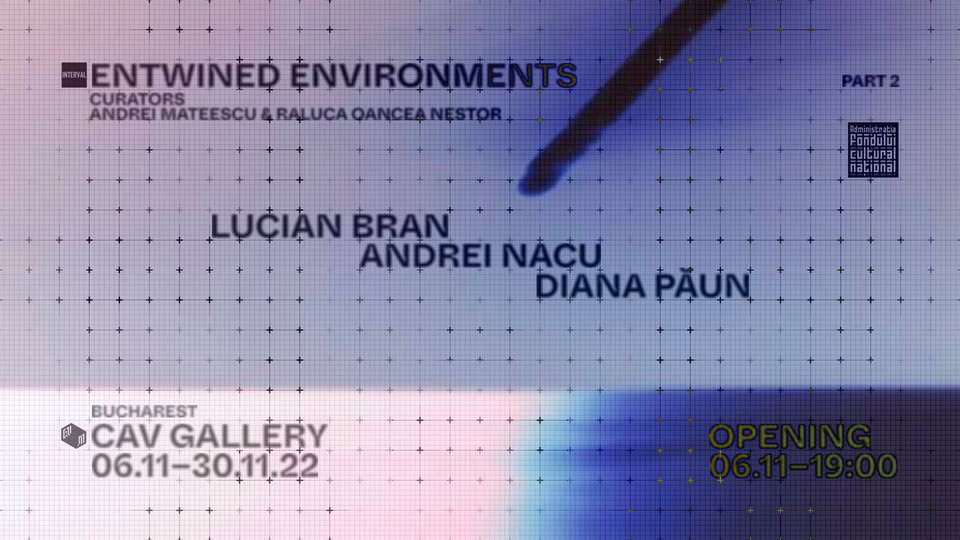
[...]Last but not least, the Possible Future 1.0 project by artist Diana Păun, starting from an archive of photographs with plastic leaves and flowers, questions the possibility of the biological eye (see the bee wandering on a simulacrum leaf), but also of the photographic eye, to distinguish the natural from the artificial, the creation from the construction. Given the connection between being and dwelling being invoked, a legitimate question would be how human identity will be affected if inhabited landscapes become entirely manufactured. Confident that nature can take its revenge in turn, we return to Venice where this summer, in the Italian pavilion, a sublime sea of fireflies enveloped and left behind a huge abandoned factory, putting into practice Pasolini's words: I would give the entire Montedison industrial empire for a firefly!"
Curator and author of the text: Raluca Oancea
Graphic design by Mihai Șovăială
Graphic design by Mihai Șovăială
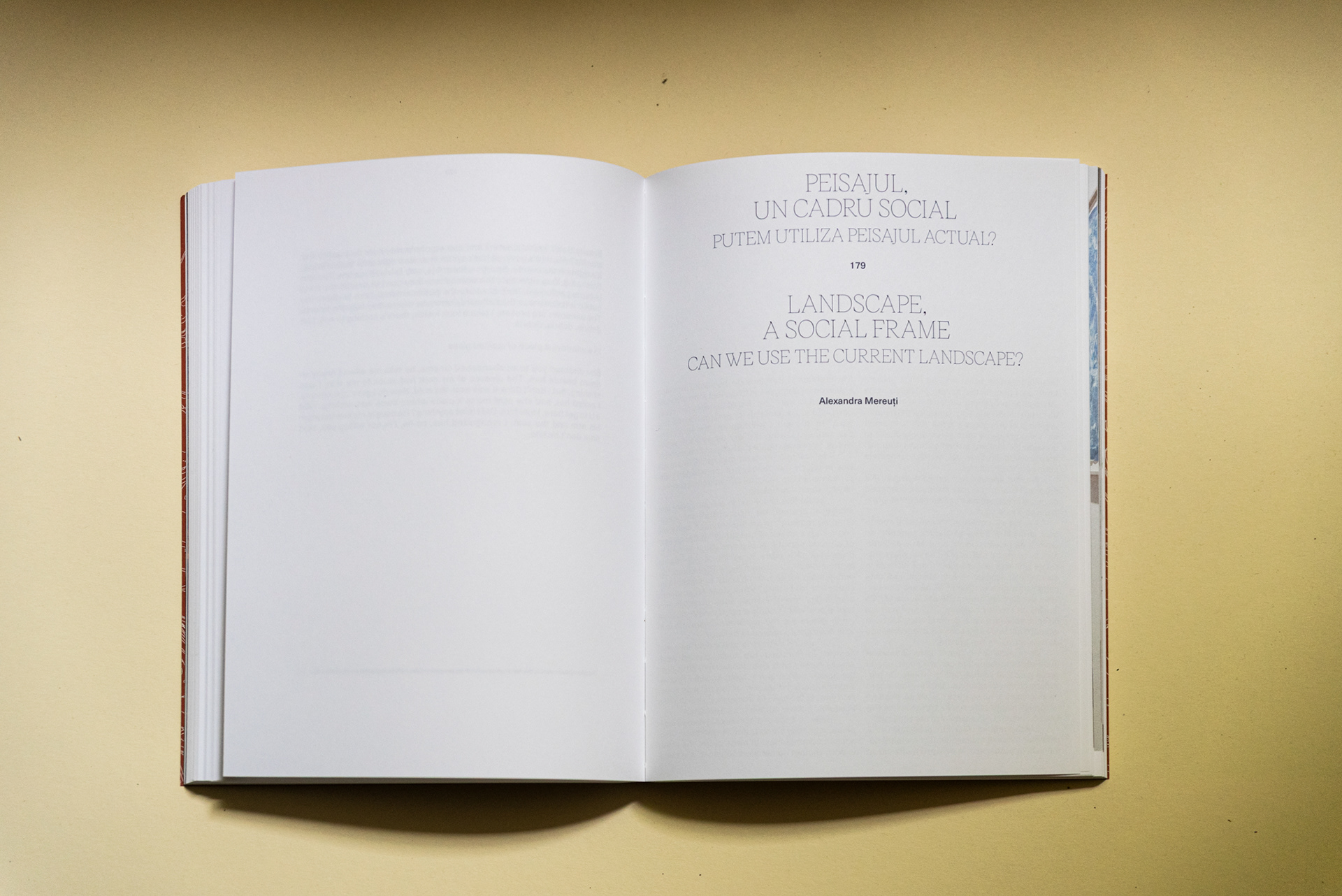
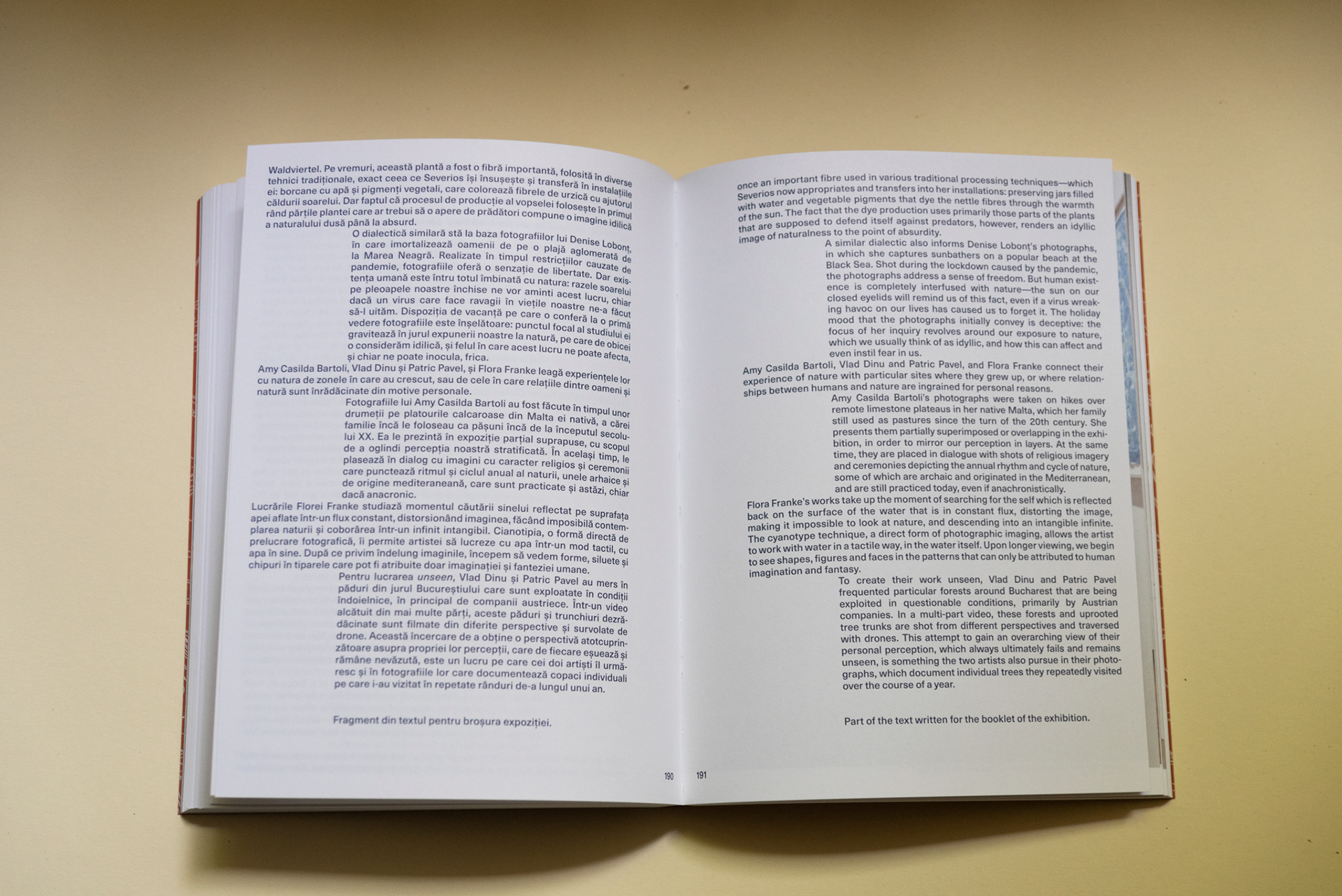
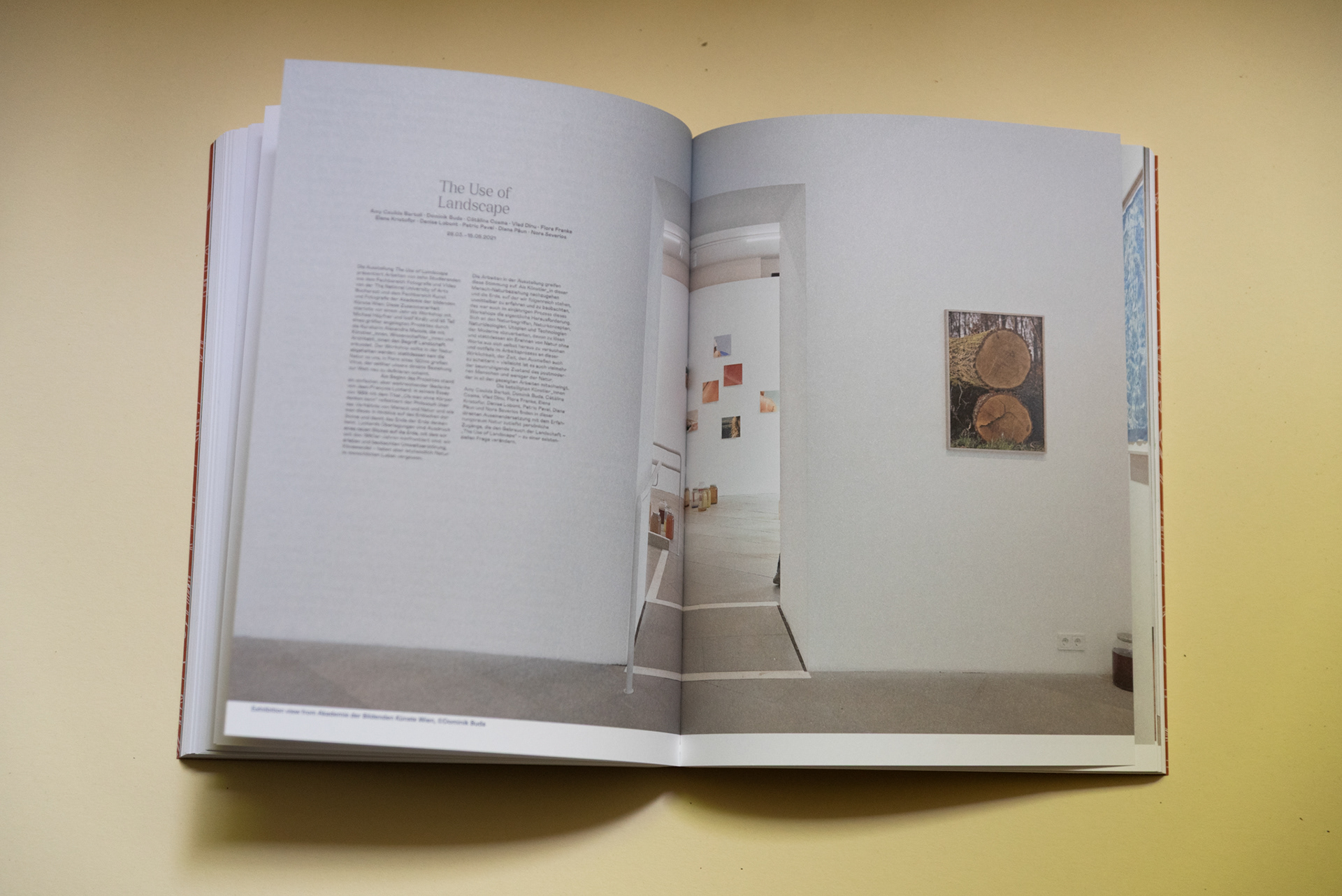
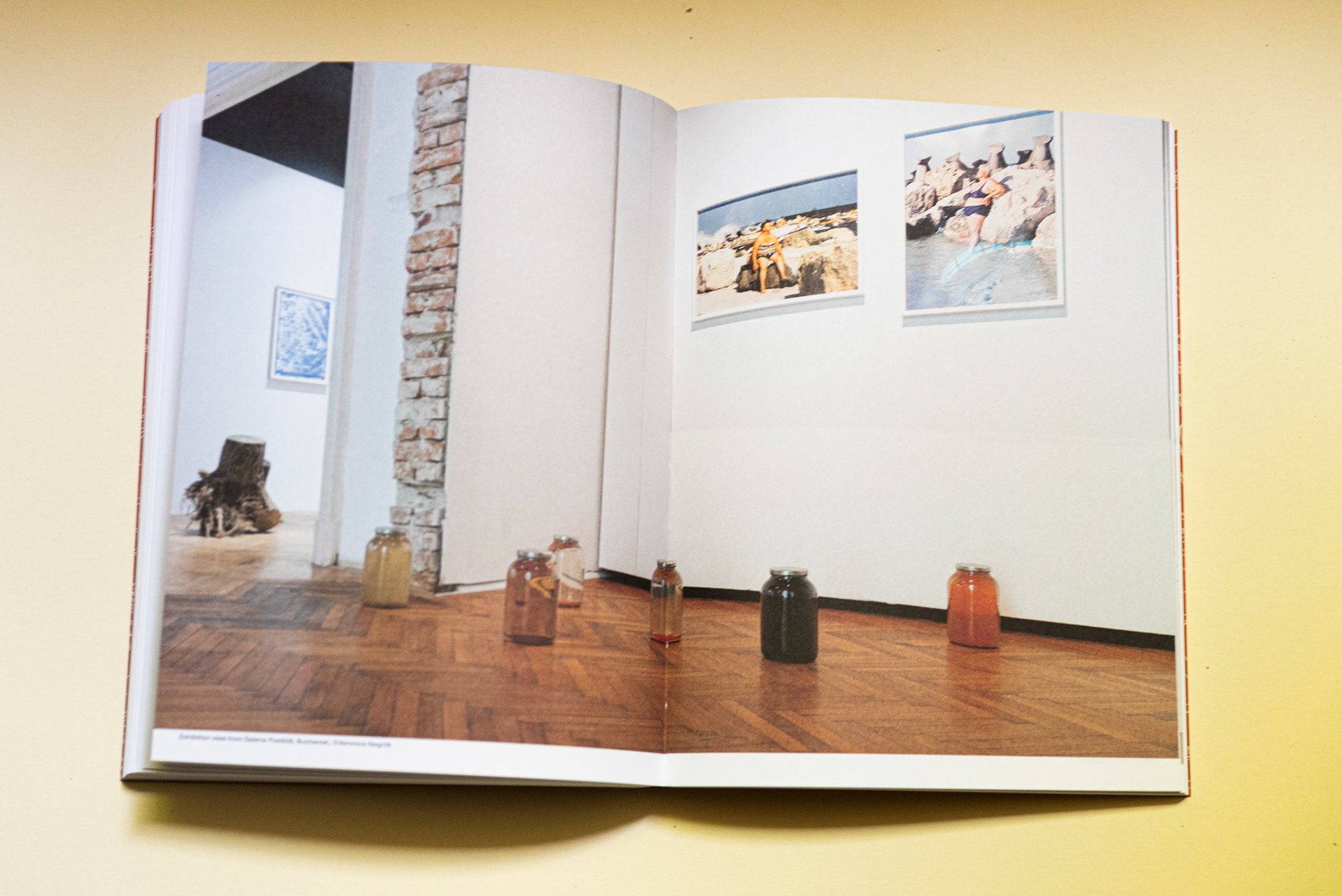
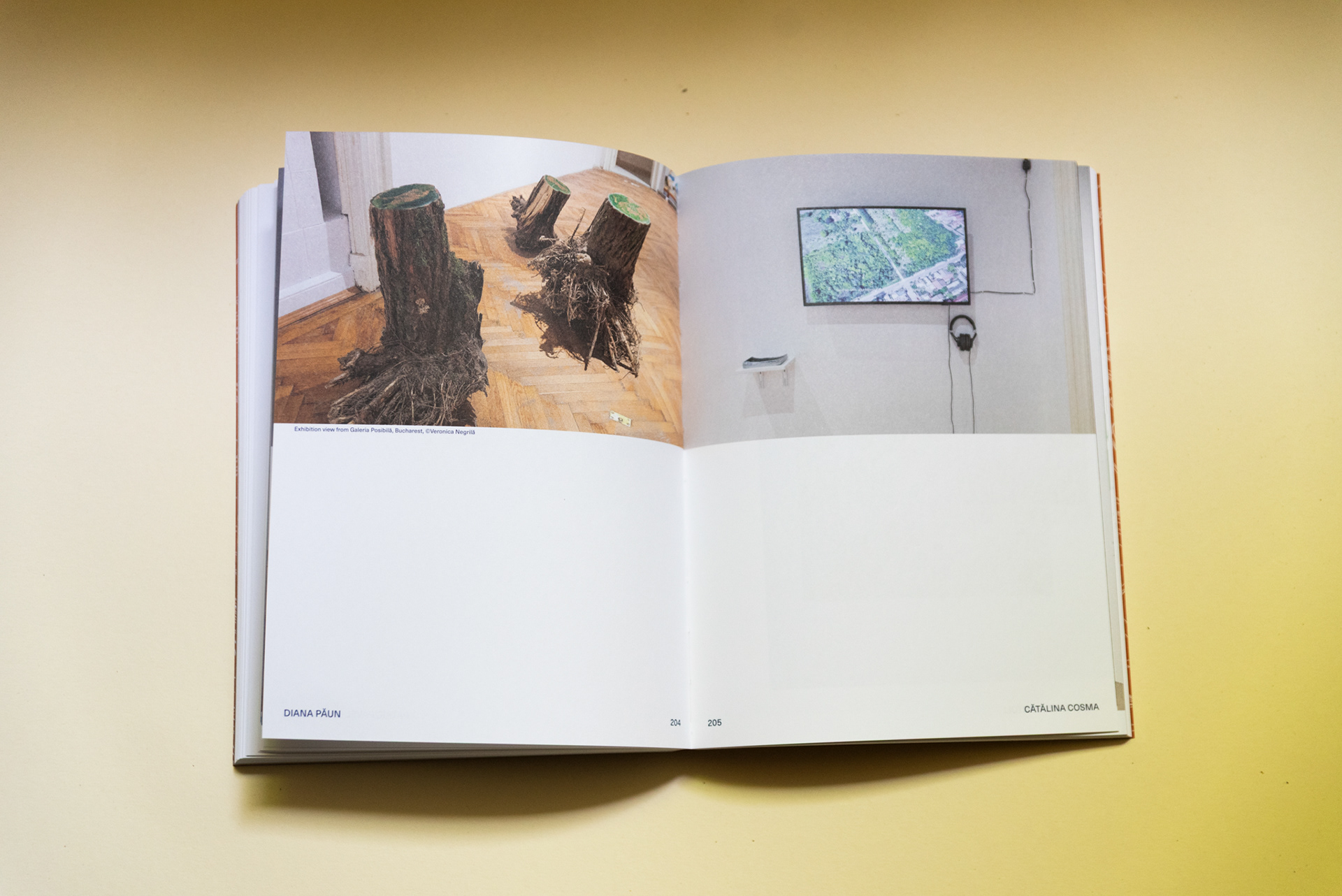
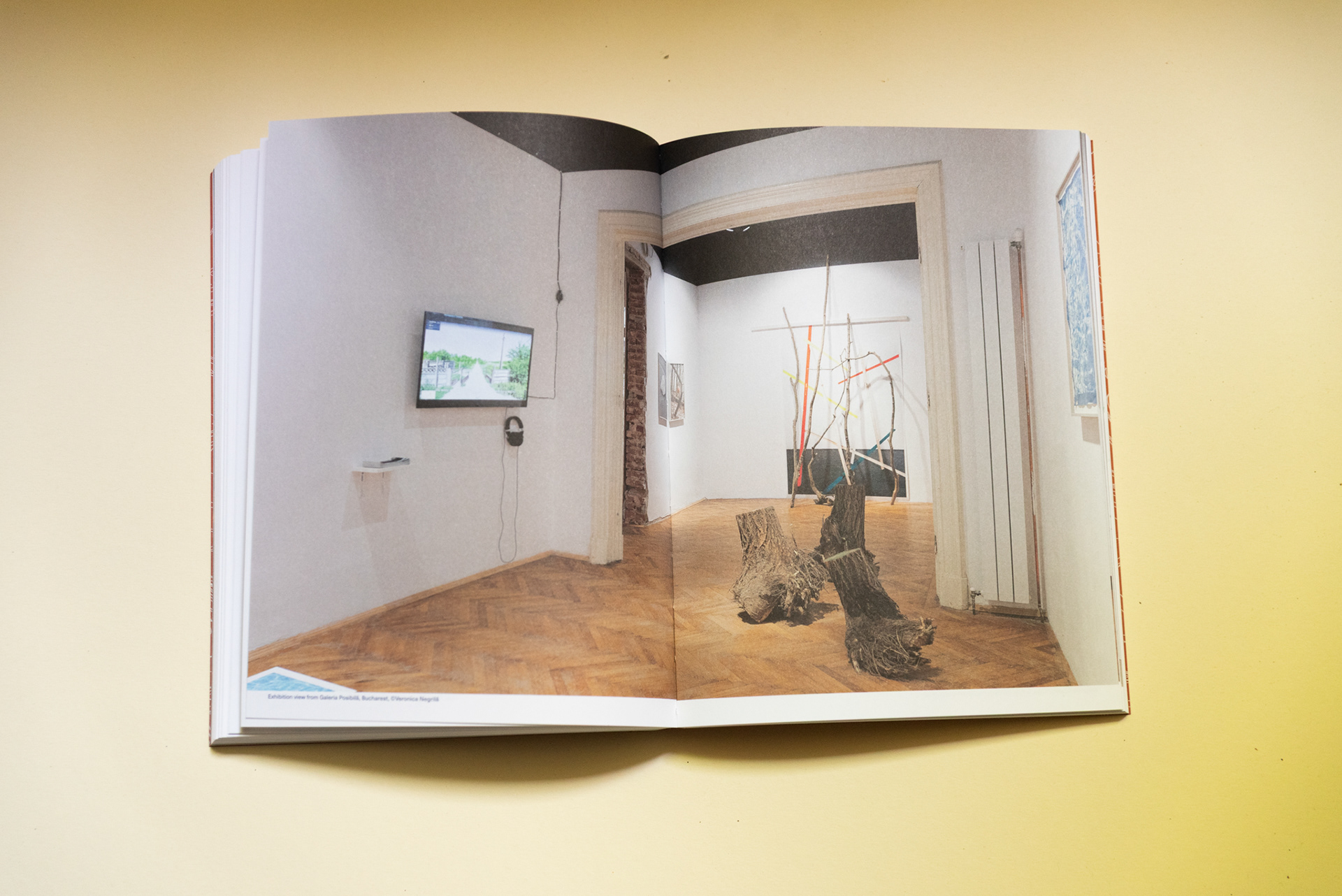
In The Use of Landscape we seek to describe the theoretical and artistic context of works selected precisely in order to highlight diverse and non-exhaustive discourses, some contradictory, others complementary, leaving readers to decide what best suits them. The book is not exclusively about the Anthropocene, or exclusively about ecology, nor is it about how to hug a tree in order to have a connection with nature without knowing its role but sensing its importance, or about artistic or curatorial practices specific to contemporary art. You will read about how artists view landscape and what they do with it, how photography views landscape and how it captures it, how environmentalists and poets view landscape and how they incorporate it into their work.
Editorial concept: Alexandra Manole
Graphic design: Andreea Popescu
Publication by Galeria Posibilă, 2023
Read full text → here
Graphic design: Andreea Popescu
Publication by Galeria Posibilă, 2023
Read full text → here
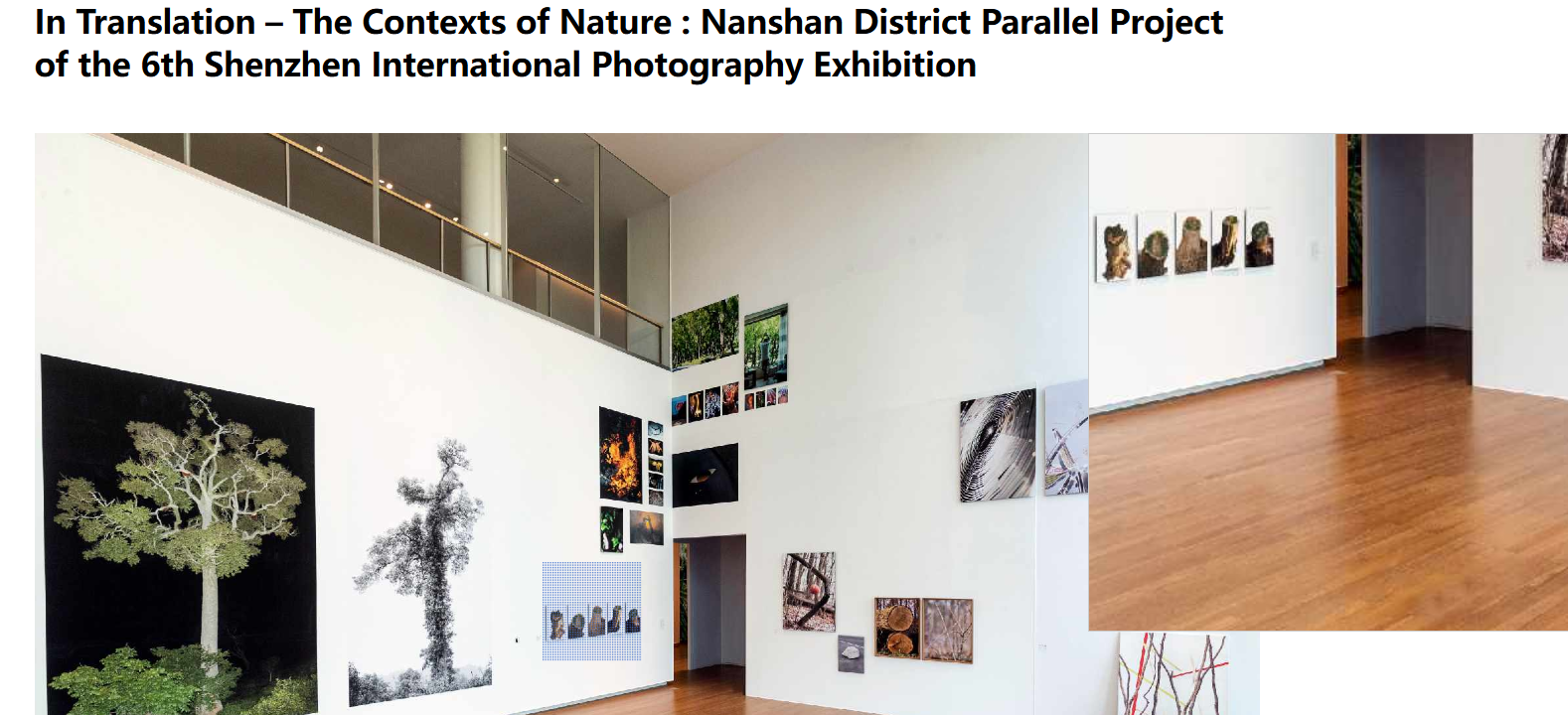
It has always been difficult to capture nature or to define what nature is. As photography translates nature into pixelated space-time, the meanings of nature resolve and stretch over dimensions. If images are an interface in between nature, the photographer, and the viewer, the contexts of nature can weave and entangle in viewing and reading, looking into and re-translating nature
Where is nature? What does scenery mean? What makes up a landscape? Is homeland in reality or in our memory? Is a city inside or outside nature? What is the origin?
As a response to these intangible questions, In Translation – The Contexts of Nature represents photographic practice as a means of translation, which has changed the very source language of nature into the languages of daily life, homeland, multi-species, landscape and space-time. The exhibition tries to interweave and extend the contexts of nature: scenery of daily life, a multi-species community, landscape and data, memory and origin, and the body in situ… The nature that images can only partially capture and define may be the nature we all live in.
Screenshot from the cart website.
Read full text → here
Read full text → here
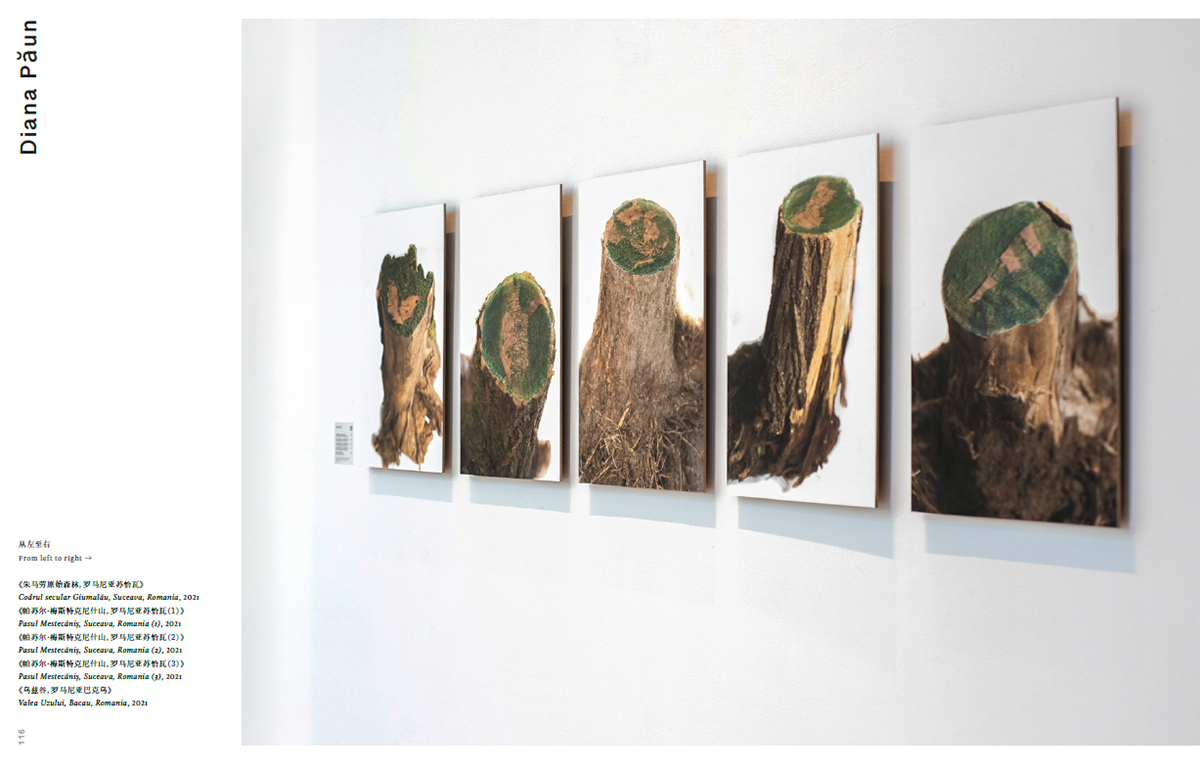
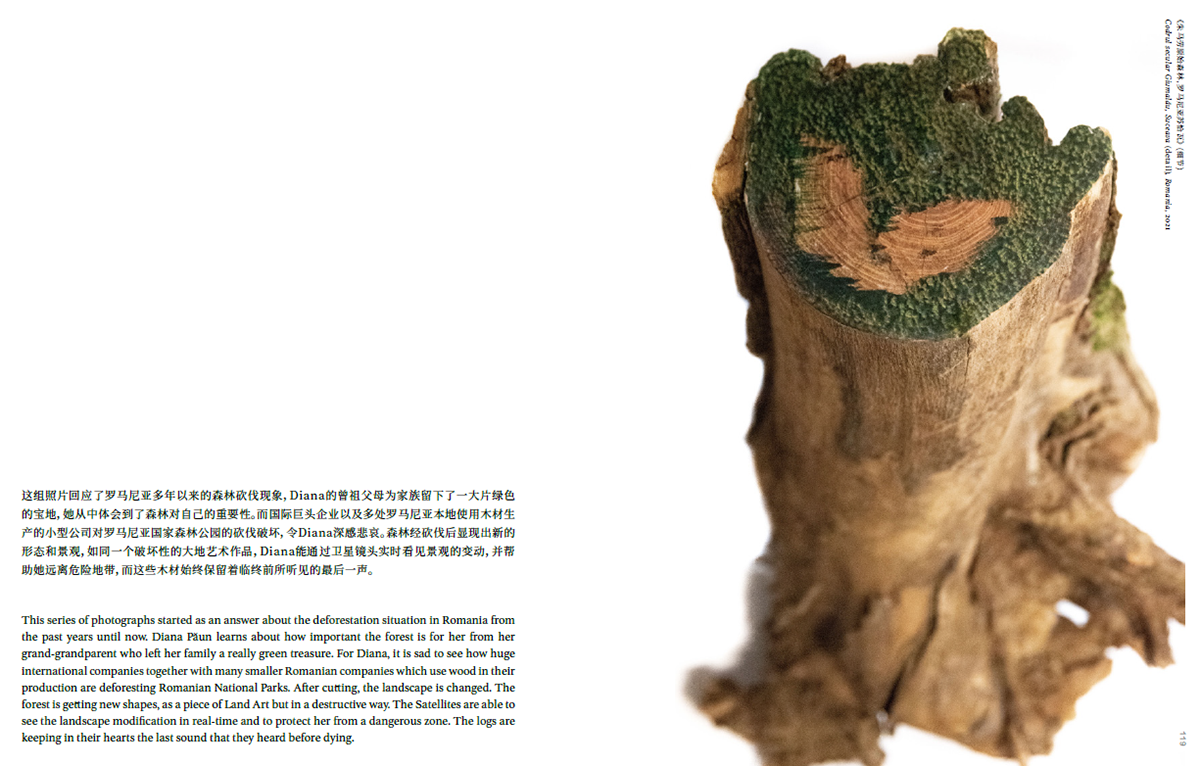
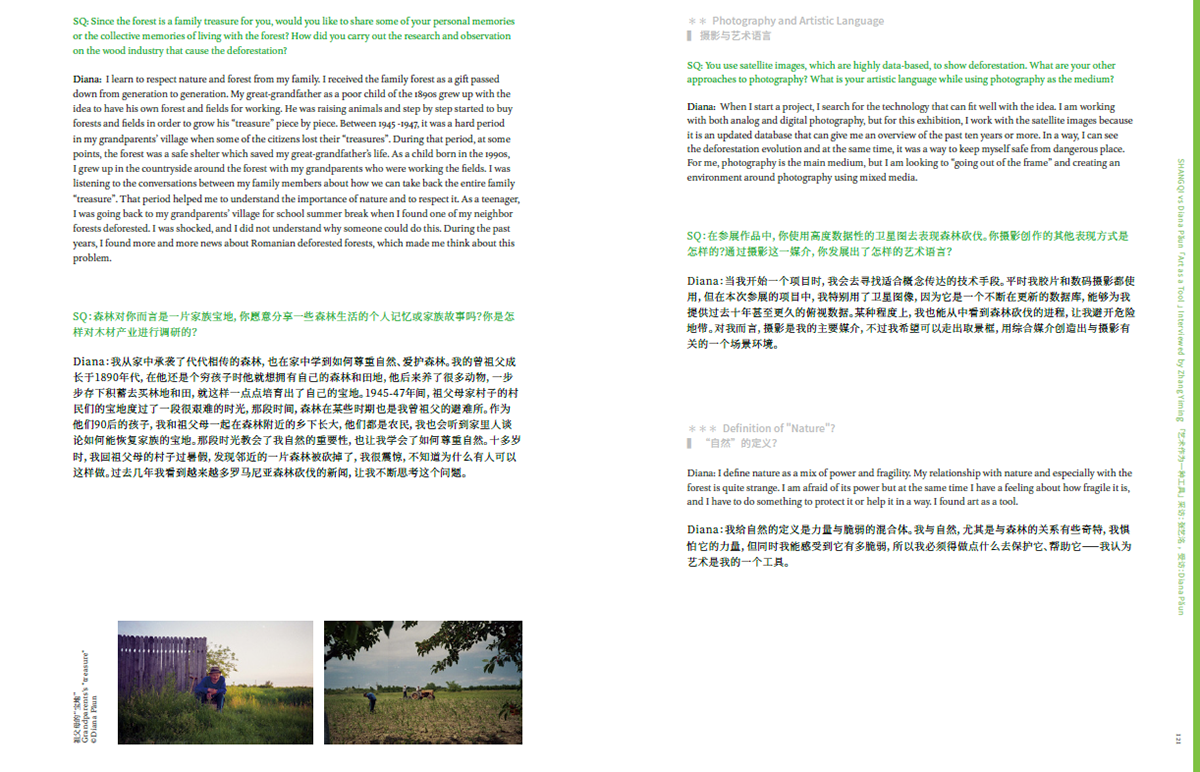
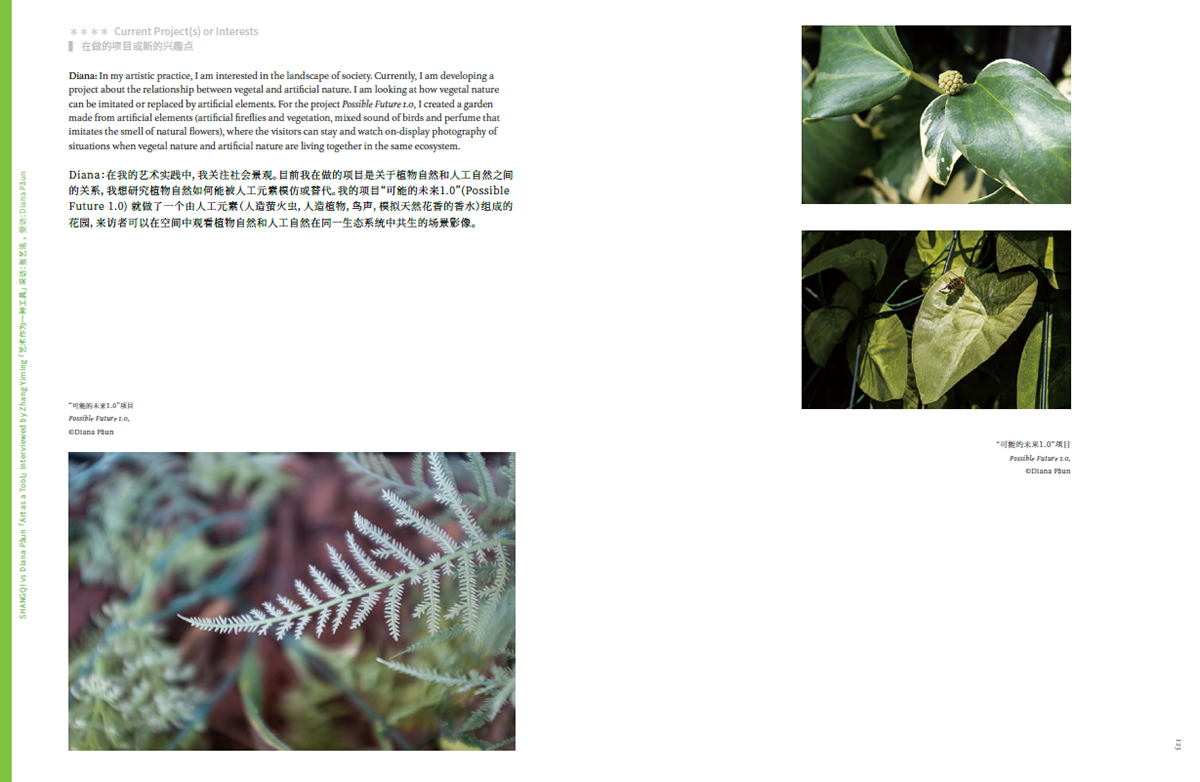
Interview in "In Translation", exhibition catalogue published by Shangqiart, 2023
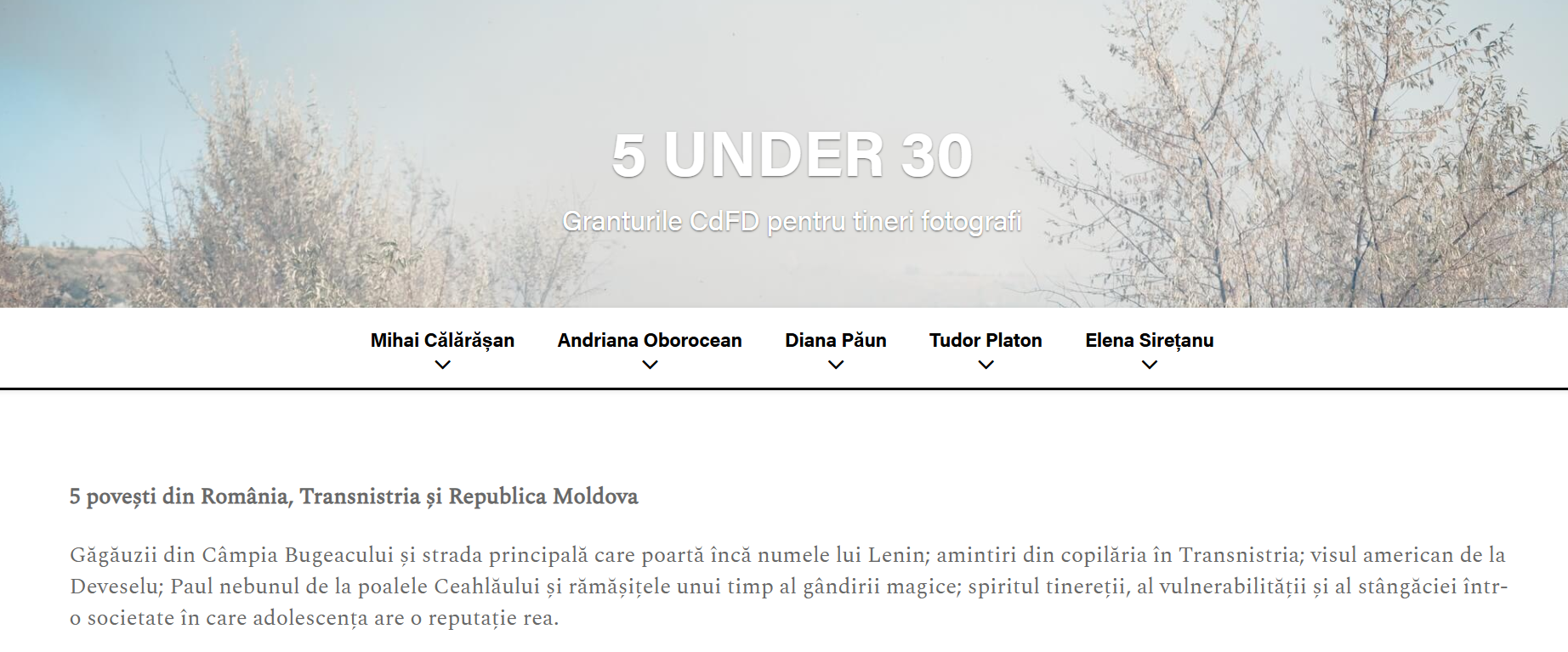
5 stories from Romania, Transnistria and the Republic of Moldova.
The Gagauz people of the Bugea Plain and the main street that still bears Lenin's name; childhood memories in Transnistria; the American dream from Deveselu; Paul the Madman at the foot of Ceahlău and the remnants of a time of magical thinking; the spirit of youth, vulnerability and clumsiness in a society where adolescence has a bad reputation.
The Gagauz people of the Bugea Plain and the main street that still bears Lenin's name; childhood memories in Transnistria; the American dream from Deveselu; Paul the Madman at the foot of Ceahlău and the remnants of a time of magical thinking; the spirit of youth, vulnerability and clumsiness in a society where adolescence has a bad reputation.
Diana Păun documented the village of Deveselu, the site chosen for the construction of the Anti-Missile Shield. She explored the atmosphere of a small town shaped by its encounter with American Dream.
Screenshot from the Centrul de Fotografie Documentară website.
Read full text → here
Read full text → here
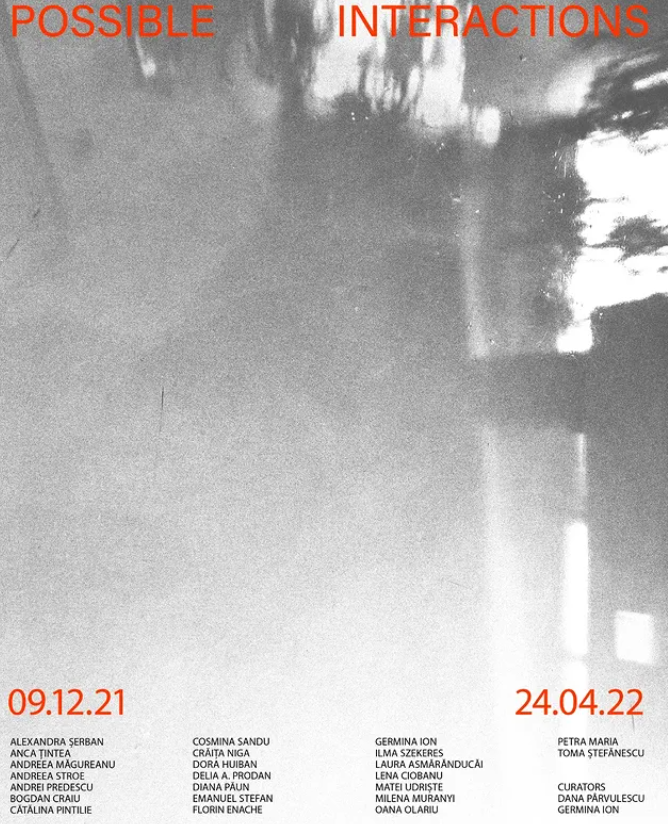
The exhibition presented in the Dialog space focuses on the object book, with a visual and conceptual interest in the image. Young artists, students and graduates of the National University of Arts, with concerns in the area of print come with interventions that probe dimensions of the relationship with space, be it interior or exterior.
Read full text → here
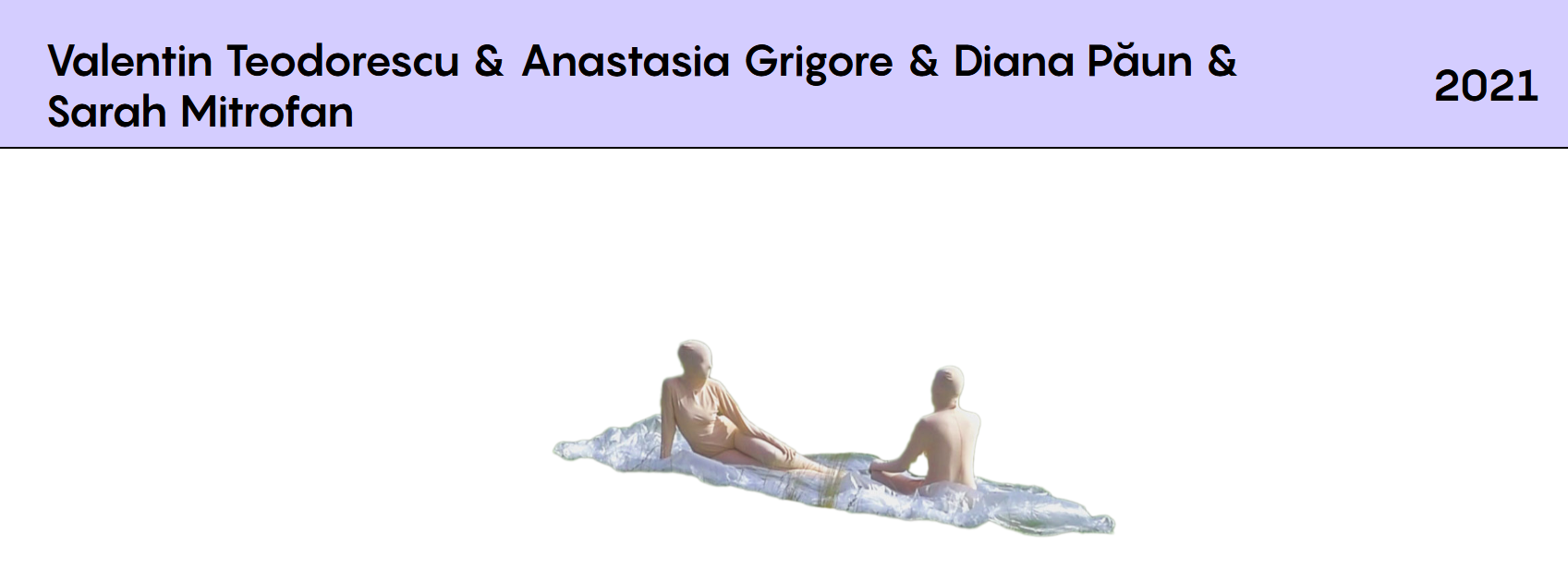
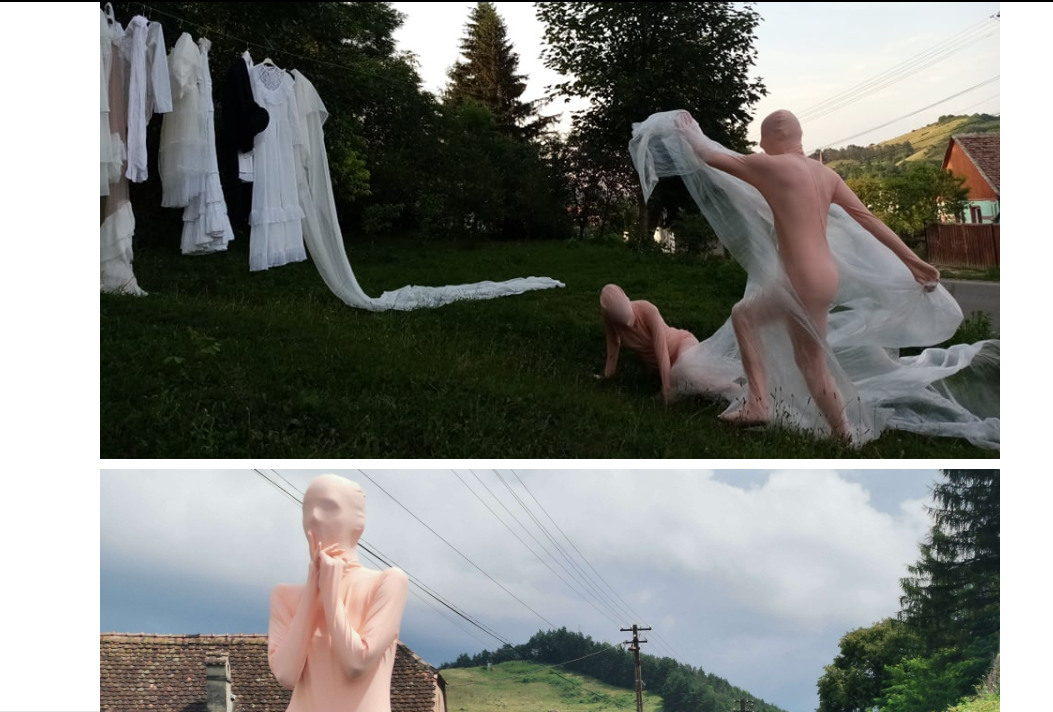
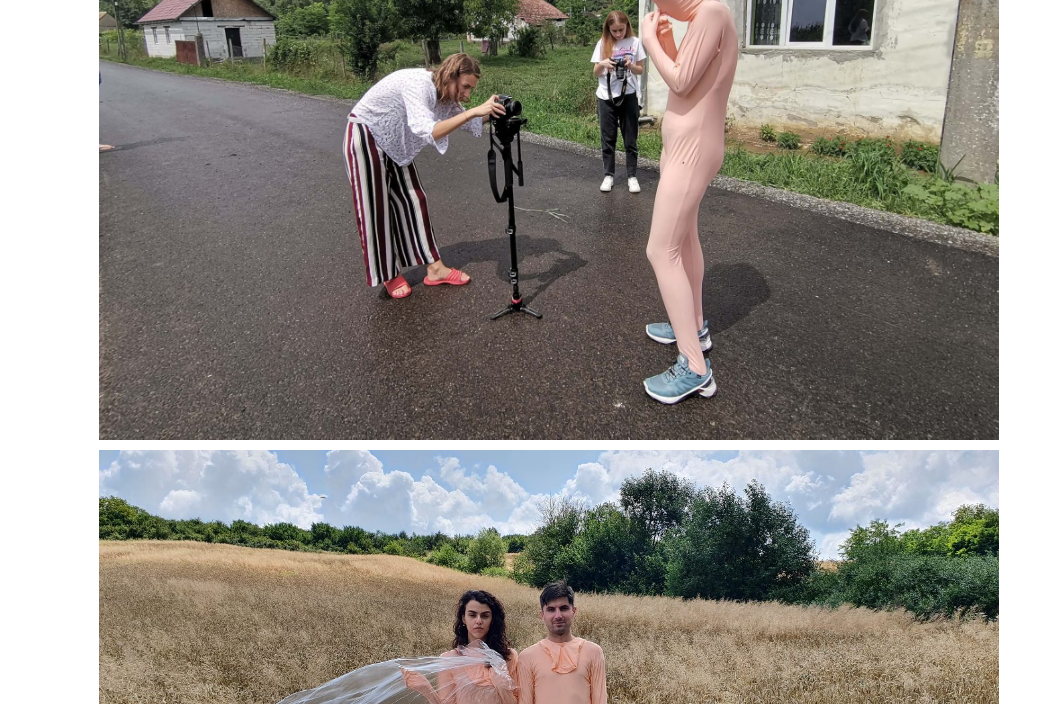
Within the "Școala de acasă, Hundorf" residencies, the team formed by Valentin Teodorescu, Anastasia Grigore, Diana Păun and Sarah Mitrofan proposed an artistic research project starting from some of the most indispensable objects that man has in his life, namely clothes. They outlined the concept, starting with the idea that everything we wear has, in addition to its utilitarian purpose, an aesthetic and communicative purpose, thus transmitting a message, a total experience or aspirations towards certain ideals. All of this becomes part of us, a second skin, layers that we change to tell stories, to identify ourselves with a group or to show our values. Things are taken to the point where we involuntarily create real shows with our clothes, such as in the case of wedding ceremonies, when more or less costumed, the participants become characters in their own show of life. A costume show, similar to this type of performance, but this time moving from the sphere of purely artistic purpose into people's social life.
Screenshot from the Acasa la Hundorf website.
Read full text → here
Read full text → here
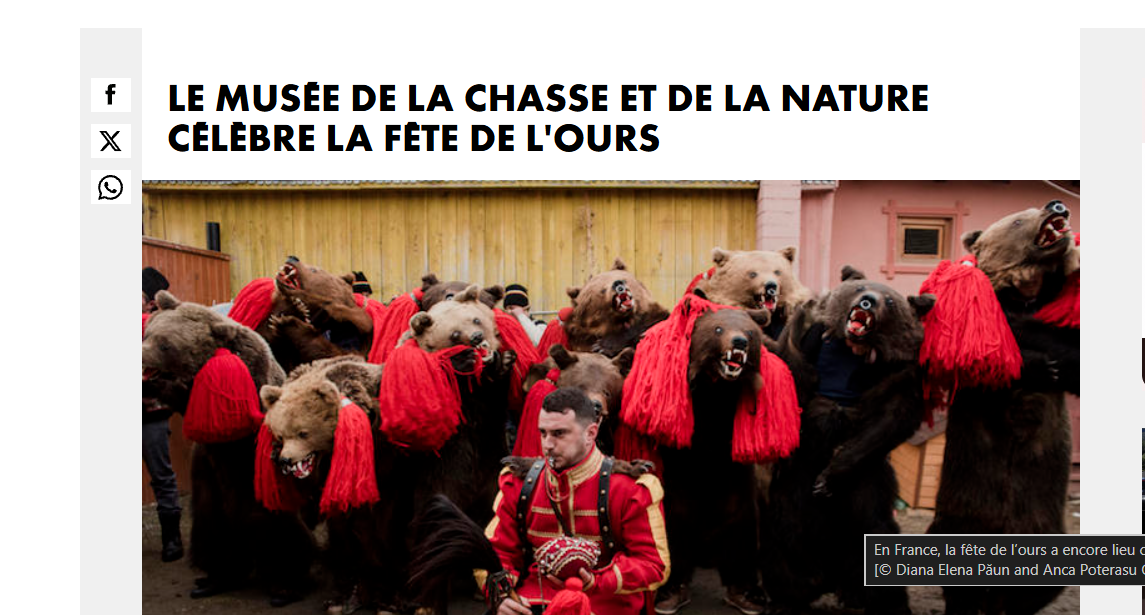
A highlight of the Musée de la Chasse et de la Nature’s calendar, the Bear Festival returns on February 21st for a wild, artistic evening celebrating Romania.
Screenshot from the Cnews website.
Read full text → here
Read full text → here